
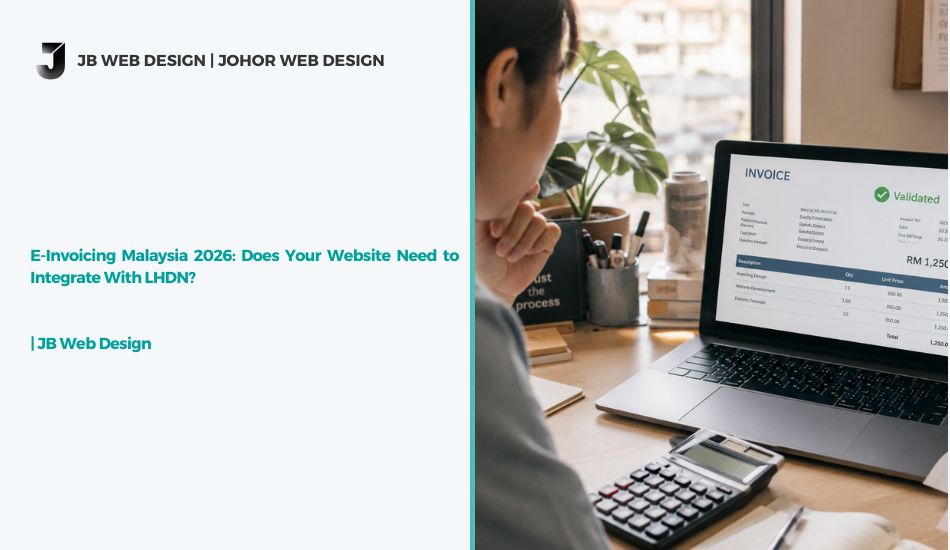
E-Invoicing Malaysia 2026: Does Your Website Need to Integrate With LHDN?
Here’s the short answer: for most businesses, no — e-invoicing Malaysia compliance is mainly handled by whatever system creates and submits your invoices, such as accounting software or an ERP, not your public-facing website. MyInvois provides APIs for taxpayer and accounting systems to submit e-Invoice documents, so the connection doesn’t have to live inside your website. The exception is a website that automatically generates invoice data at checkout — that’s where LHDN website integration may actually come into play. So instead of asking “does LHDN require my website to connect,” the better question is: which system in your business is actually responsible for submitting your e-Invoice data?
E-Invoicing Malaysia: Where Things Stand
E-invoicing Malaysia has rolled out in phases by annual turnover since August 2024, starting with businesses above RM100 million and working down to businesses up to RM5 million by January 2026. Businesses under RM1 million may qualify for an MSME exemption, though this isn’t automatic — LHDN’s 2026 guidance requires non-exempt businesses under that threshold to comply from 1 July 2026. Because exemptions and thresholds have been revised more than once, it’s worth confirming your exact position with your accountant or LHDN’s official guideline rather than assuming based on turnover alone.
LHDN Website Integration: When It’s Actually Necessary
LHDN website integration sounds more complicated than it usually is. Technically, MyInvois integration is about connecting a taxpayer’s ERP or accounting system to LHDN’s platform — your website doesn’t automatically become part of that just because customers can submit an enquiry or make a purchase online.
A typical service business — where a customer fills in a contact form and the invoice gets created later in accounting software — usually needs no integration at all. The website generates a lead; the accounting system handles e-invoicing Malaysia compliance separately. If you’re also considering a redesign, it’s worth checking whether your site has other issues worth fixing first, like the ones covered in our 3-minute website self-check, rather than assuming everything is an e-Invoice issue.
Does Your Website Need E-Invoicing Integration?
The quickest way to answer does your website need e-invoicing integration is to look at where your invoices actually come from. If they’re created manually or in separate accounting software, your website almost certainly doesn’t need to change. If your website is an online store that auto-generates an invoice the moment someone checks out, that’s the scenario worth reviewing — though even then, the connection to MyInvois is often handled by your accounting platform or e-commerce plugin, not a custom build from scratch. If you run an online store, our WooCommerce vs Shopify comparison is a useful starting point for understanding what each platform already supports.
Either way, this is a conversation to start with your accountant, not your web developer. Ask them which system is responsible for submitting your e-Invoices, and whether your website already feeds data into it. Only once that’s clear does it make sense to bring in a developer to build anything.
Common Questions About E-Invoicing and Websites
Is this a website problem or an accounting problem?
For most businesses, e-invoicing Malaysia compliance is an accounting issue. Your website only gets involved if it directly generates invoice data itself.
I run an online store — do I definitely need integration?
Not automatically. Many e-commerce platforms and payment gateways already connect to compliant accounting systems, so the link may already exist.
Who should confirm whether I need to comply at all?
Your accountant or LHDN directly — they can confirm your exact turnover bracket and compliance timeline.
Getting Your Website Ready, If It’s Needed
If your accountant confirms your website genuinely needs a technical connection, that’s a piece our web design and development team can help plan, working alongside your accounting provider rather than replacing them.
Not sure which situation applies to you? Get in touch and we’ll help you figure out whether this is something your website actually needs to worry about.


E-Invoicing Malaysia 2026: Does Your Website Need to Integrate With LHDN?
Here’s the short answer: for most businesses, no — e-invoicing Malaysia compliance is mainly handled by whatever system creates and submits your invoices, such as accounting software or an ERP, not your public-facing website. MyInvois provides APIs for taxpayer and accounting systems to submit e-Invoice documents, so the connection doesn’t have to live inside your website. The exception is a website that automatically generates invoice data at checkout — that’s where LHDN website integration may actually come into play. So instead of asking “does LHDN require my website to connect,” the better question is: which system in your business is actually responsible for submitting your e-Invoice data?
E-Invoicing Malaysia: Where Things Stand
E-invoicing Malaysia has rolled out in phases by annual turnover since August 2024, starting with businesses above RM100 million and working down to businesses up to RM5 million by January 2026. Businesses under RM1 million may qualify for an MSME exemption, though this isn’t automatic — LHDN’s 2026 guidance requires non-exempt businesses under that threshold to comply from 1 July 2026. Because exemptions and thresholds have been revised more than once, it’s worth confirming your exact position with your accountant or LHDN’s official guideline rather than assuming based on turnover alone.
LHDN Website Integration: When It’s Actually Necessary
LHDN website integration sounds more complicated than it usually is. Technically, MyInvois integration is about connecting a taxpayer’s ERP or accounting system to LHDN’s platform — your website doesn’t automatically become part of that just because customers can submit an enquiry or make a purchase online.
A typical service business — where a customer fills in a contact form and the invoice gets created later in accounting software — usually needs no integration at all. The website generates a lead; the accounting system handles e-invoicing Malaysia compliance separately. If you’re also considering a redesign, it’s worth checking whether your site has other issues worth fixing first, like the ones covered in our 3-minute website self-check, rather than assuming everything is an e-Invoice issue.
Does Your Website Need E-Invoicing Integration?
The quickest way to answer does your website need e-invoicing integration is to look at where your invoices actually come from. If they’re created manually or in separate accounting software, your website almost certainly doesn’t need to change. If your website is an online store that auto-generates an invoice the moment someone checks out, that’s the scenario worth reviewing — though even then, the connection to MyInvois is often handled by your accounting platform or e-commerce plugin, not a custom build from scratch. If you run an online store, our WooCommerce vs Shopify comparison is a useful starting point for understanding what each platform already supports.
Either way, this is a conversation to start with your accountant, not your web developer. Ask them which system is responsible for submitting your e-Invoices, and whether your website already feeds data into it. Only once that’s clear does it make sense to bring in a developer to build anything.
Common Questions About E-Invoicing and Websites
Is this a website problem or an accounting problem?
For most businesses, e-invoicing Malaysia compliance is an accounting issue. Your website only gets involved if it directly generates invoice data itself.
I run an online store — do I definitely need integration?
Not automatically. Many e-commerce platforms and payment gateways already connect to compliant accounting systems, so the link may already exist.
Who should confirm whether I need to comply at all?
Your accountant or LHDN directly — they can confirm your exact turnover bracket and compliance timeline.
Getting Your Website Ready, If It’s Needed
If your accountant confirms your website genuinely needs a technical connection, that’s a piece our web design and development team can help plan, working alongside your accounting provider rather than replacing them.
Not sure which situation applies to you? Get in touch and we’ll help you figure out whether this is something your website actually needs to worry about.